How Neutron Radiography Works: Basic Principles
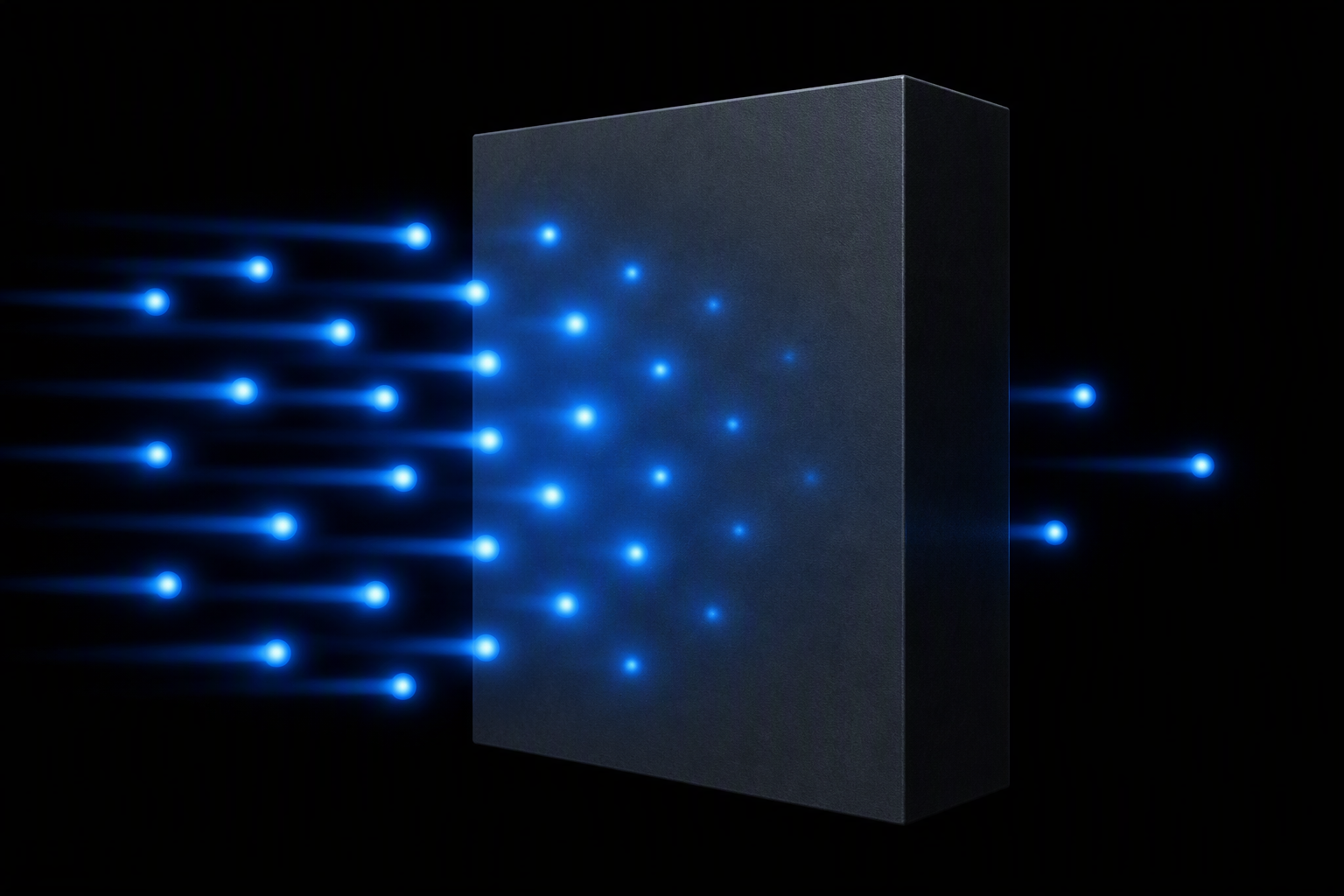
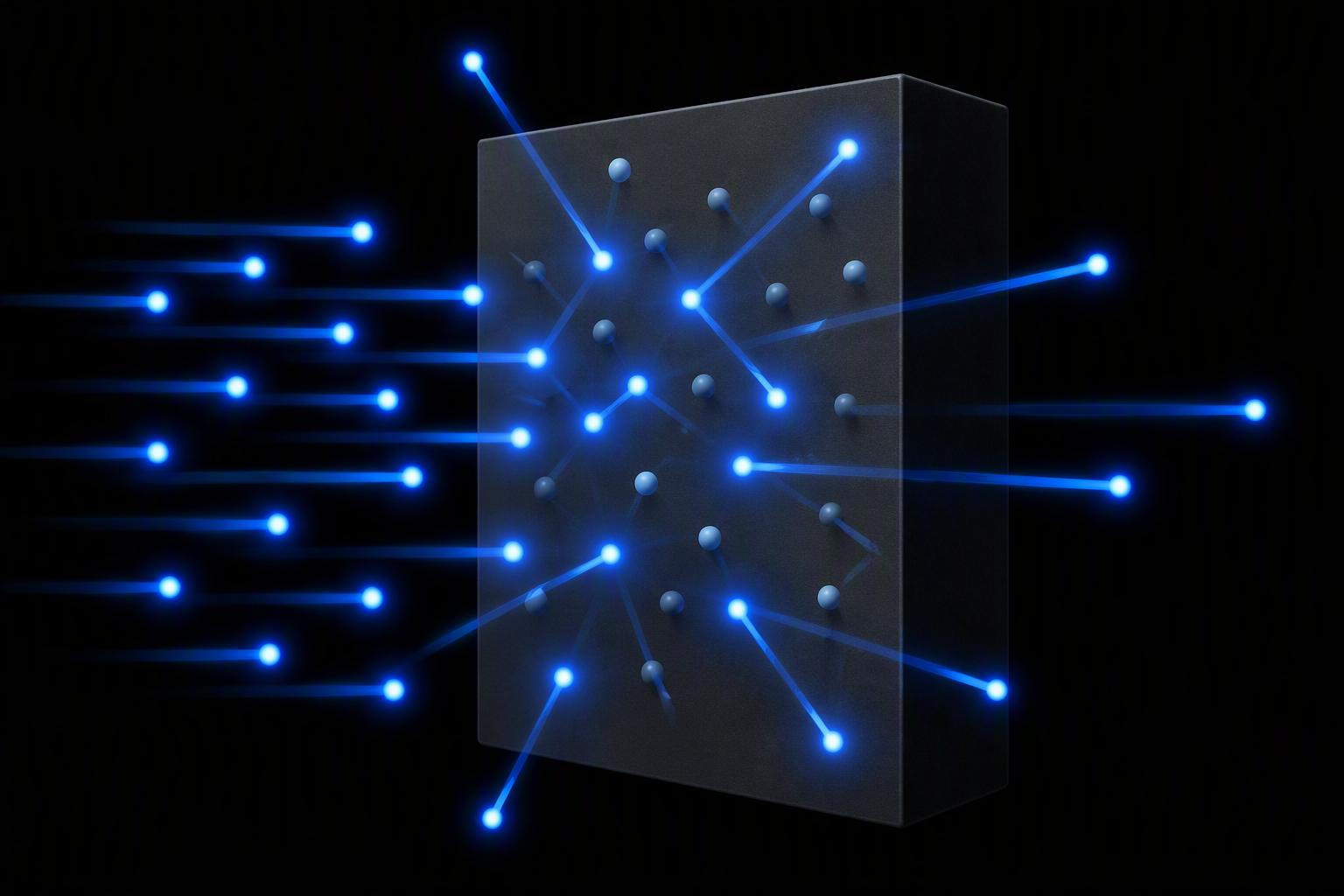
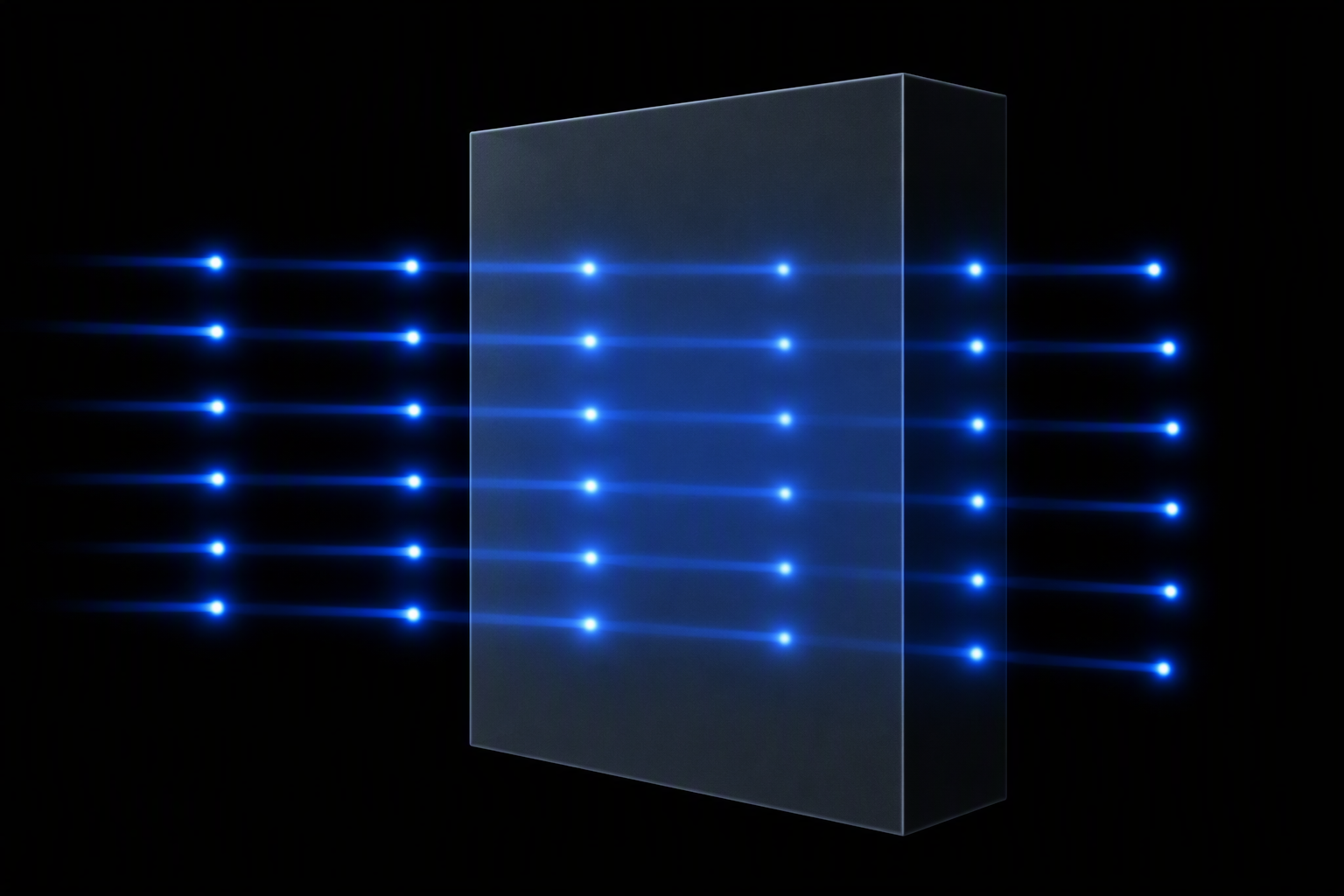
In NR, a beam of neutrons is directed at the object being inspected. As the neutrons pass through, they interact with the materials inside. Some pass through, some are absorbed, and some are deflected, depending on what materials they encounter. A detector on the other side records which neutrons made it through, creating a shadow image of what is inside.
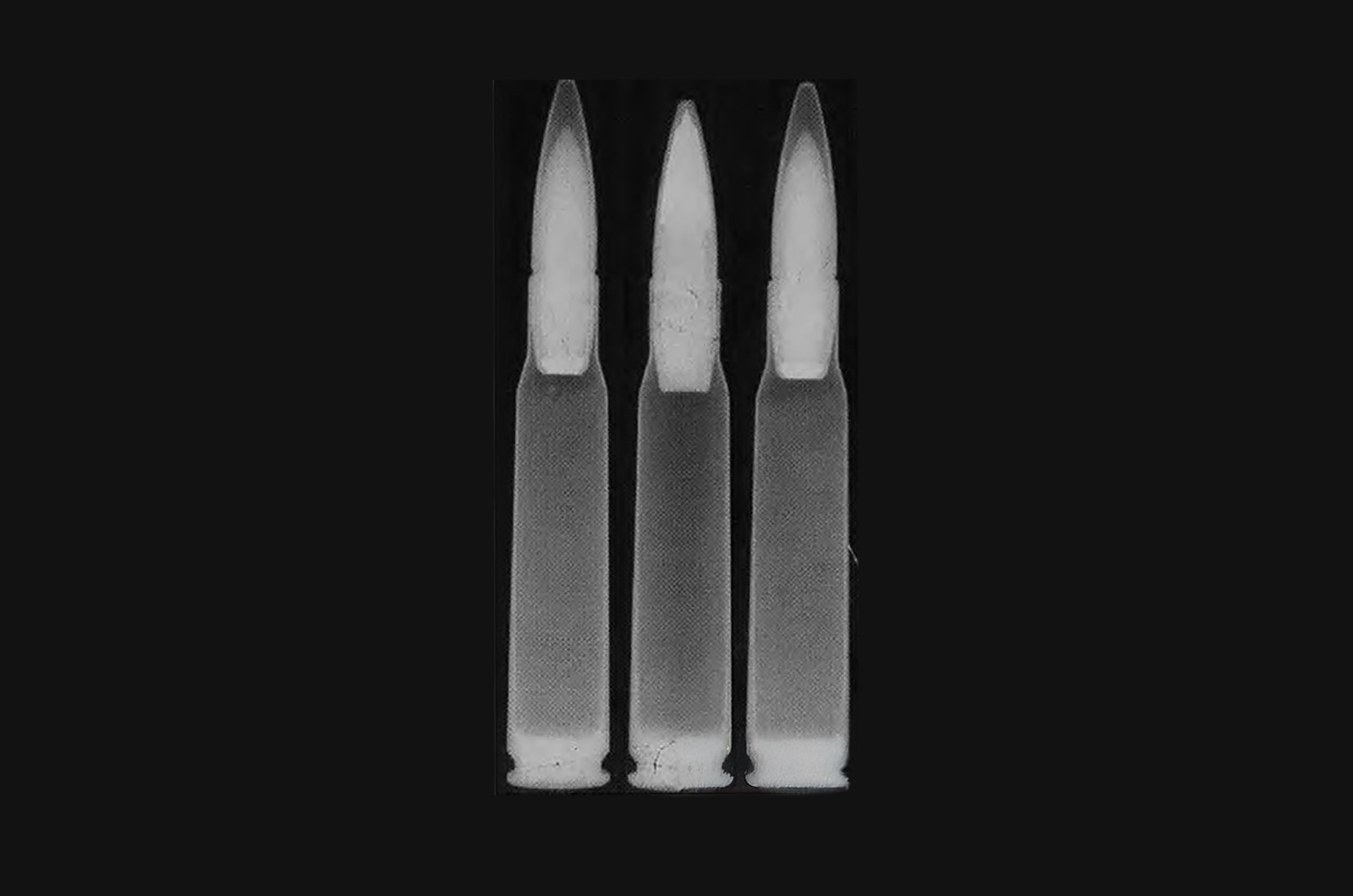
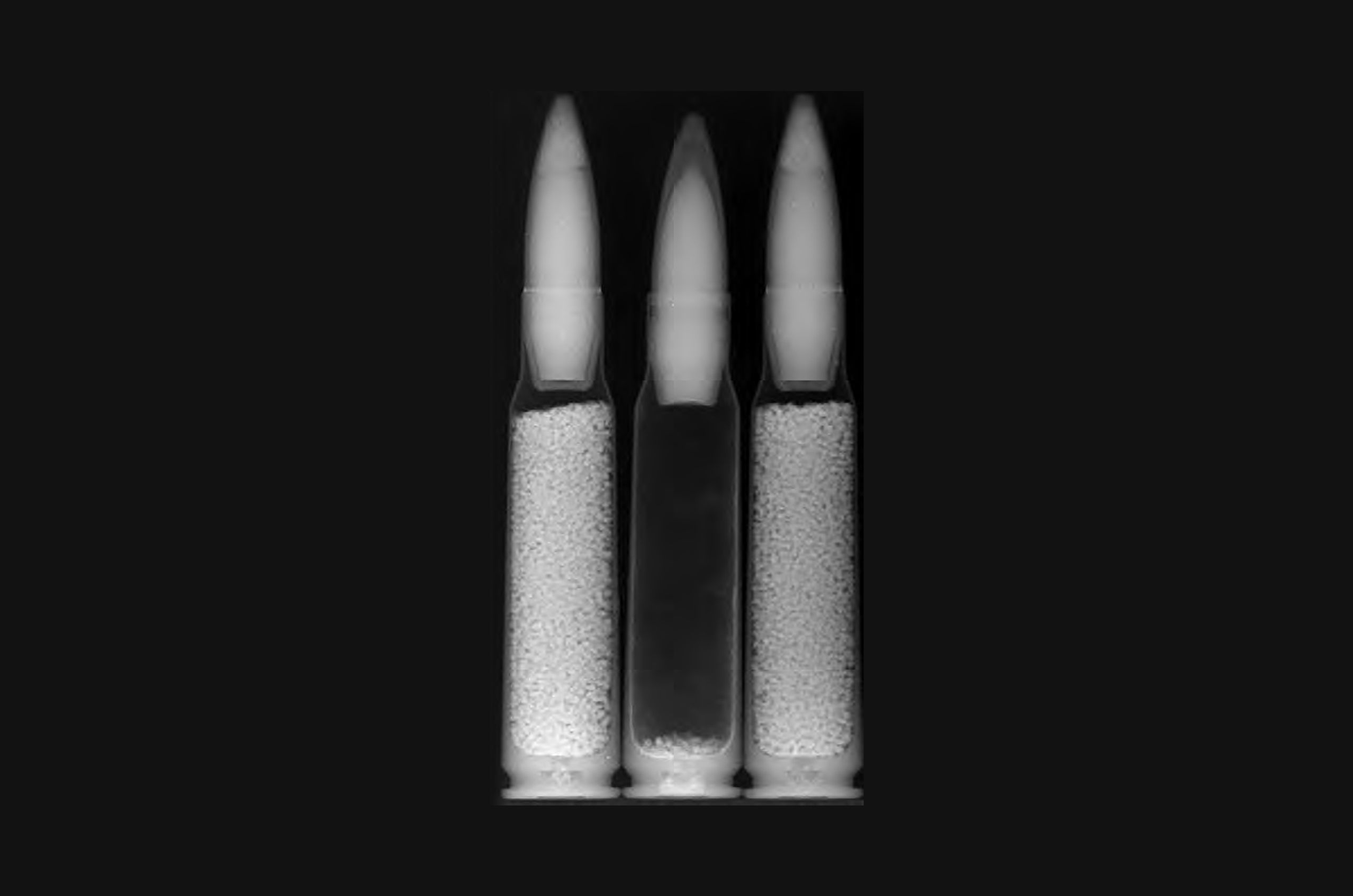
The key difference from X-ray imaging is which materials show up. X-rays are stopped by dense, heavy metals, so metal parts appear clearly but lightweight materials are nearly invisible. Neutrons behave differently: many metals are relatively transparent to them, while hydrogen-containing materials often stand out strongly.This means water, rubber, adhesives, and plastics show up clearly in a neutron image, even when surrounded by thick metal.
Think of it as the photographic negative of an X-ray. What is invisible in one method is visible in the other. NDT practitioners use their understanding of neutron behavior, source characteristics, and imaging setup to produce clear images and interpret the results.