)
How Vibration Analysis Works: Basic Principles
Every machine that moves produces vibration. A machine operating normally tends to produce a repeatable vibration pattern. When the machine condition changes, that pattern may also change. When something goes wrong—a bearing starts to wear, a shaft bends, a connection loosens—it adds new vibration to the pattern or changes the existing one.
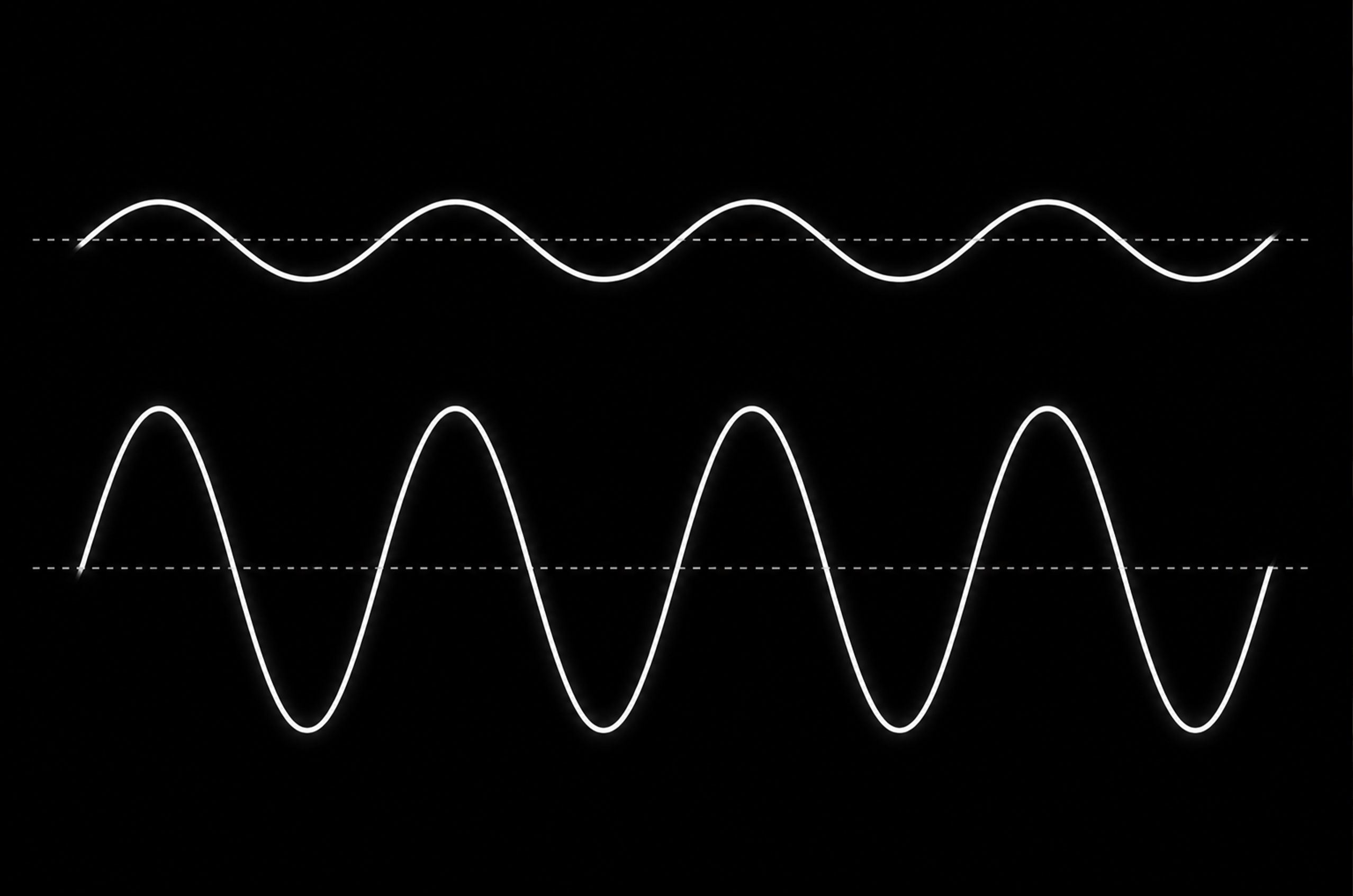
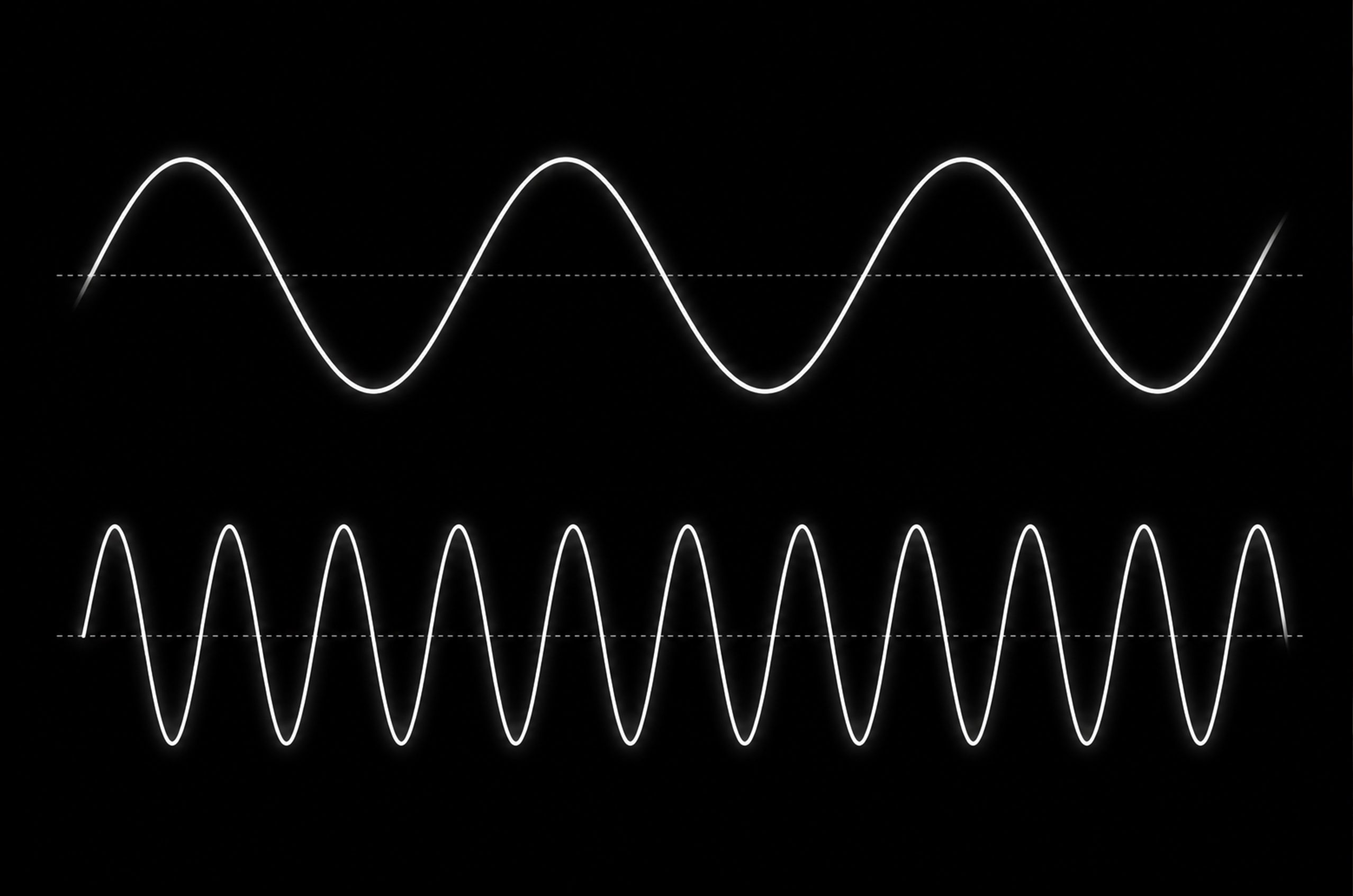
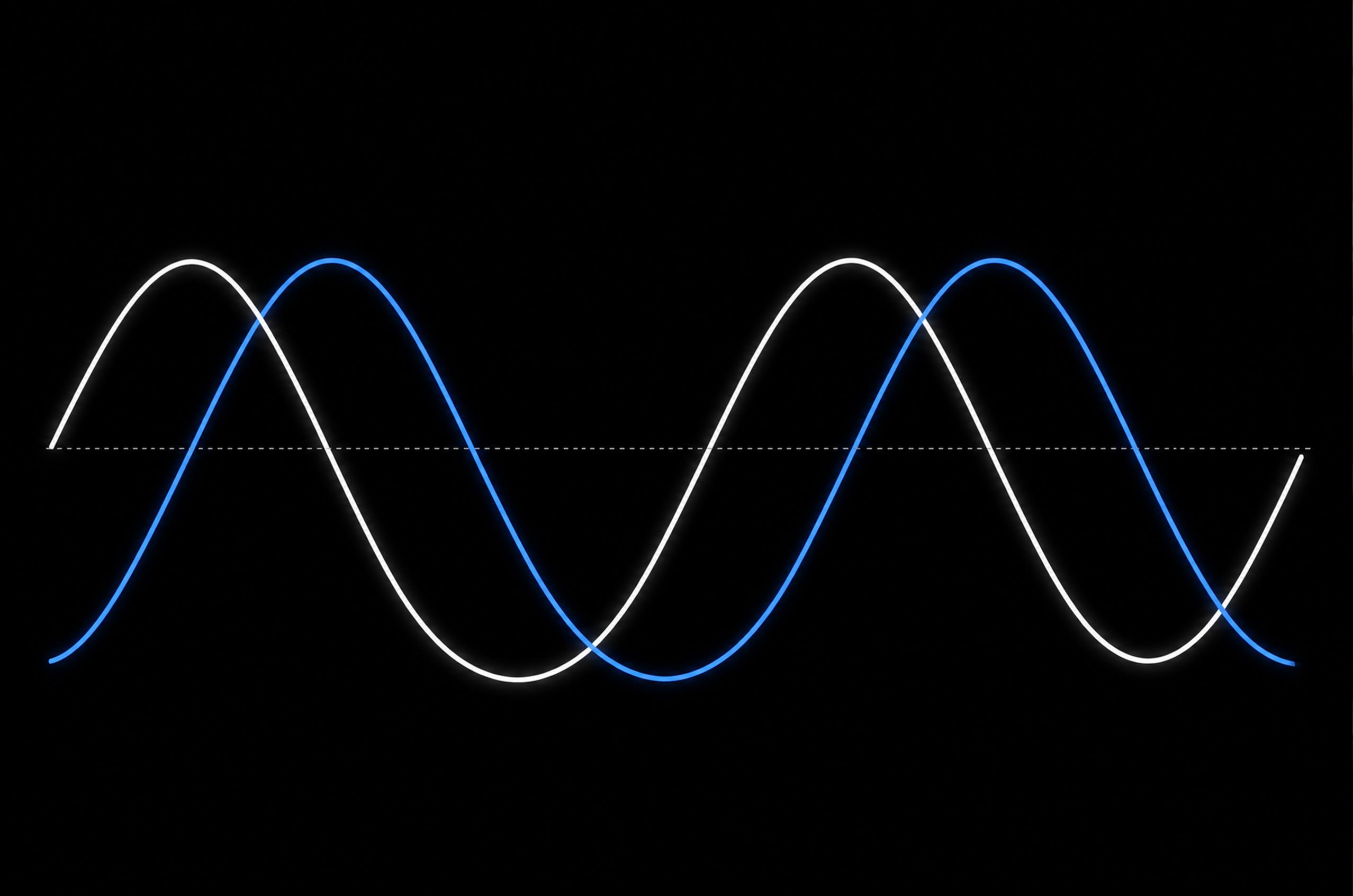
VA works by measuring that vibration with a sensor mounted on the machine, then breaking the signal down into its individual parts. Think of it like listening to a chord on a piano—your ear hears one sound, but a trained musician can pick out the individual notes. VA does the same thing with vibration, separating the overall signal into individual frequency components so each one can be traced back to a specific part of the machine.
The result is a graph called a spectrum that shows how much vibration is happening at each frequency. Because different types of faults produce vibration at different frequencies, an analyst can read this graph to determine what is happening inside the machine (much like a doctor reading an EKG to understand how their patient's heart is functioning).
NDT practitioners use their understanding of machine design and vibration behavior to configure measurements, interpret the data, and recommend maintenance actions.
)